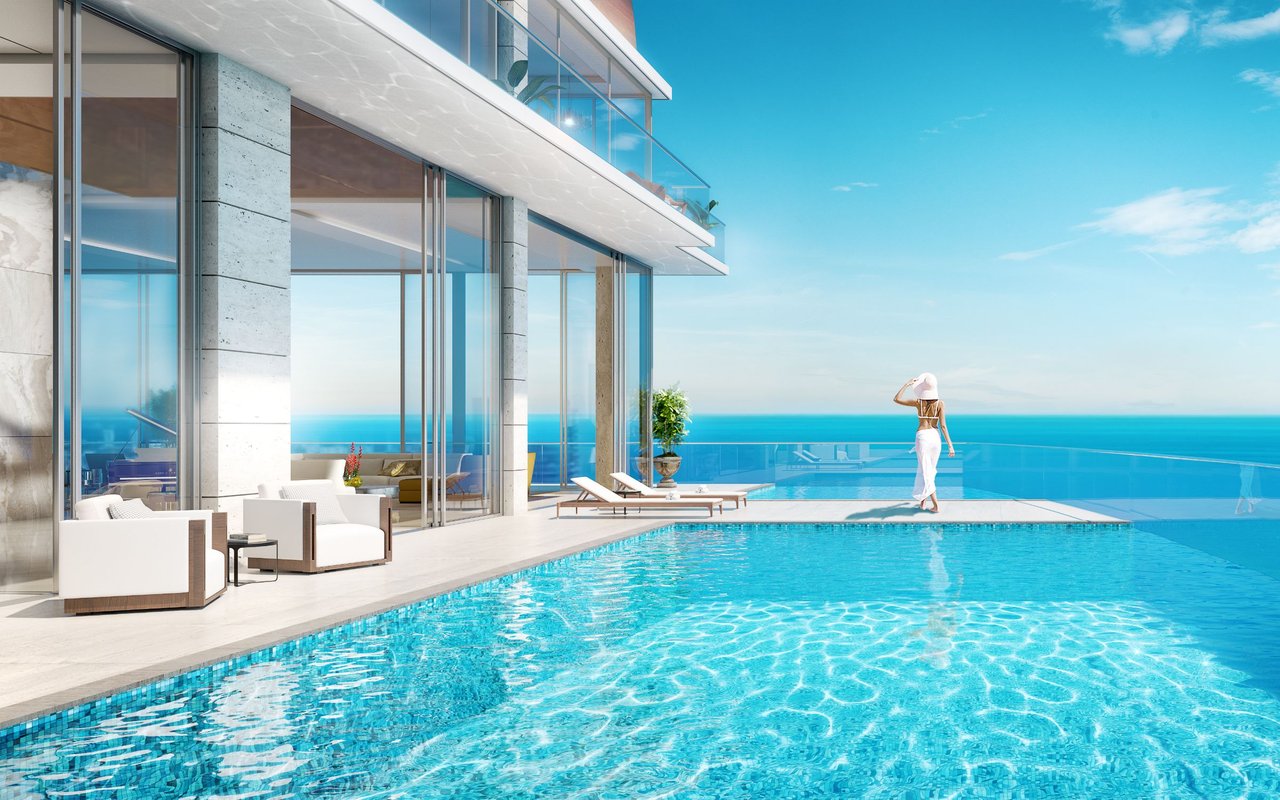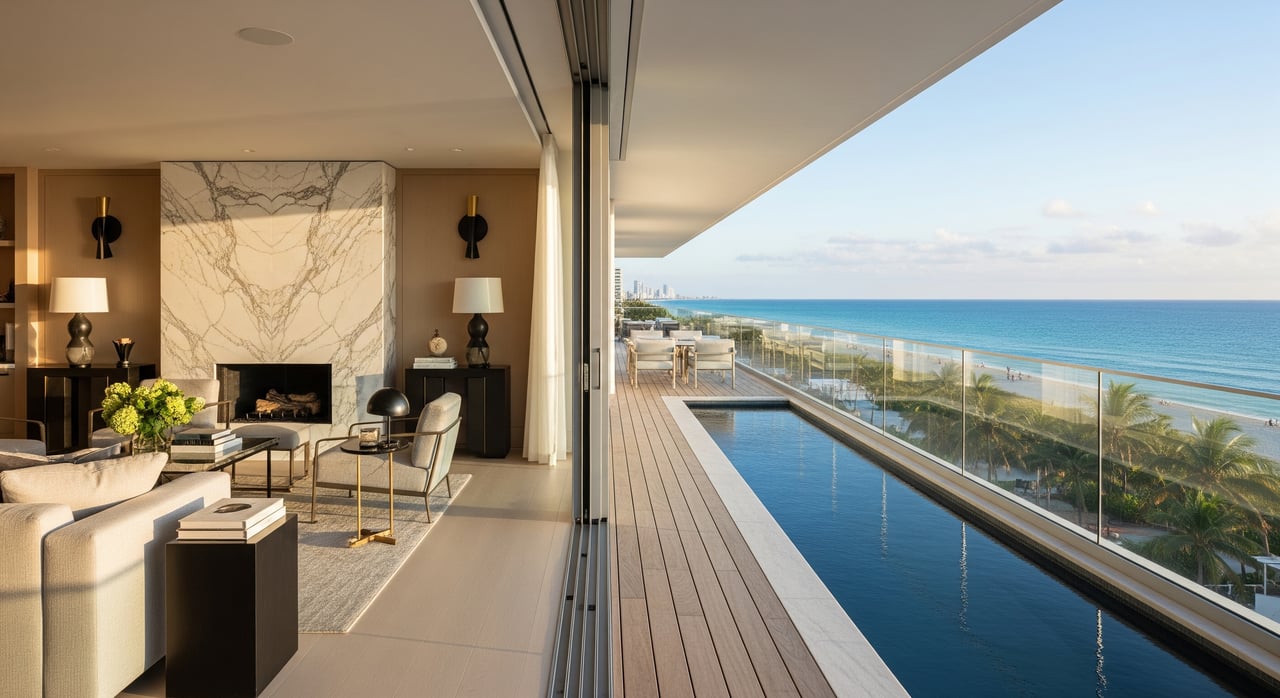
Choosing between The Mansions and The Estates at Acqualina is not about good or better. It is about which tower aligns with how you live, host, and travel. If you are considering an oceanfront home in Sunny Isles Beach 33160, the choices can feel overwhelming. You want the views and services, but you also need the right layout, privacy, and carrying costs.
This guide gives you a clear, practical way to compare The Mansions and The Estates in Miami‑Dade’s premier beachfront address. You will learn what to look for in architecture, floor plans, amenities, staffing, and rules so you can decide with confidence. Let’s dive in.
Acqualina in Sunny Isles Beach
Acqualina sits on Collins Avenue in Sunny Isles Beach, within ZIP code 33160. It is an oceanfront, resort‑style residential campus where condominiums typically command a premium over inland Miami‑Dade properties. That premium often reflects direct beach access, panoramic views, and a full suite of hospitality services.
Buyers here are often high‑net‑worth individuals choosing a primary home, second home, or pied‑à‑terre. Investors also participate when long‑term appreciation and occasional rentals fit their goals, subject to condominium rules. Before you compare towers, know that carrying costs, insurance, and governance can vary by building and can influence your total cost of ownership.
Mansions vs Estates: how to compare
Use the following categories to structure your evaluation. Each one affects daily life and long‑term value.
Building scale and design
Look at tower height, unit density per floor, and the feel of the architecture. Lower density can mean fewer neighbors and shorter elevator waits. Façade materials, balcony depth, and glazing influence aesthetics, wind resilience, and view corridors.
In many luxury communities, “Mansions” products emphasize residential proportions and privacy, while “Estates” often deliver larger footprints and signature layouts such as full‑floor or duplex residences. For Acqualina specifically, request official floor plans and building descriptions to confirm how each tower is configured.
Layouts and interior size
Study the unit mix and how rooms flow. If you host often, look for formal living and dining areas, large chef kitchens, and expansive terraces. For service‑forward living, ask about private elevator foyers, staff or utility rooms, and separate service entrances.
Outdoor space and ceiling height are essential in oceanfront living. Verify balcony depth, rail design, and ceiling height so you can plan for dining, lounging, and wind comfort. Match the square footage and room count to how many people will use the home each season.
Amenities and shared spaces
Map which amenities are private to a tower and which are shared across the Acqualina campus. Consider the lobby experience, spa and fitness facilities, pools, beach club access, and food and beverage options like in‑residence dining. If you plan to entertain beyond your residence, look for social rooms, private dining spaces, or screening rooms.
The level of exclusivity vs access often shapes value. Some buyers prefer fewer people and quieter facilities, while others want easy proximity to resort venues and activity. Confirm the resident policies for guests and events.
Services and staffing
Ask how residents connect with the resort operation. This includes 24‑hour concierge, valet, housekeeping and linen service, in‑residence dining, spa scheduling, and vendor access when you are traveling. Back‑of‑house logistics matter too. Service elevators, loading areas, and discreet staff circulation protect privacy and keep entertaining seamless.
If you want a lock‑and‑leave home, prioritize buildings with strong on‑site management and reliable staffing. Clarify which services are included in assessments and which are billed per use.
Privacy, security, and circulation
Evaluate the thresholds that protect your space. Private elevator vestibules, keyed elevator access, and limited units per floor increase privacy. Floor plans that separate public areas from bedroom wings help when hosting.
Sound insulation between units and corridors is a practical detail that affects daily comfort. Test circulation during a showing, from entry to living room to terrace, to see how guests and service move without crossing paths.
Views and outdoor exposure
Orientation drives view and usability. Oceanfront exposures catch sunrise, while bay or city views capture sunsets and the evening skyline. Consider solar heat gain and wind conditions at different times of day.
Balcony depth and railing design influence how often you will dine outside or work from the terrace. Check sunrise and sunset from the actual unit to evaluate glare, privacy, and shade.
Parking, storage, and pet policy
Confirm how many assigned parking spaces come with the residence and whether they are self‑park or valet. Ask about guest parking provisions and availability during peak seasons. Private storage units and bike storage are helpful for second‑home living.
Pet rules vary by condominium. Verify pet allowances and any size or number restrictions before you commit.
Governance, HOA assessments, and rules
Your monthly assessment supports amenities, staffing, and reserves. Review the current budget, how much is allocated to reserves, and any pending or recent special assessments. Understand rental rules, minimum lease terms, and how often you can lease.
Carefully review the condominium declaration, bylaws, and house rules. Ask about the management company, board composition, and any pending litigation. These items materially affect owner experience and financial planning.
Which tower fits your lifestyle
Here are common scenarios and how to think about fit. Use them as a framework, then confirm details with current documents and on‑site tours.
Lock‑and‑leave simplicity
If you travel frequently and want maintenance handled, look for strong on‑site management, housekeeping options, and vendor coordination while you are away. Smaller footprints and durable finishes can reduce upkeep. A building known for seamless services may be the better fit.
Hosting and entertaining
If you host large gatherings, focus on larger estate‑style layouts, private elevator foyers, expansive living areas, and deep terraces. Seek a main kitchen plus a service or catering kitchen, guest suites with en‑suite baths, and access to on‑site event rooms. This setup supports formal dinners and weekend guests without stress.
Privacy and discretion
For high profiles or those who value quiet, prioritize limited units per floor, private elevator access, and discreet service circulation. Solid security staffing and secure parking enhance peace of mind. Confirm visitor protocols and how deliveries are handled.
Multi‑generational living or in‑home staff
If you live with extended family or require staff, look for larger floor plans with separate bedroom wings, staff rooms or utility suites, and wide corridors. Dual kitchens and flexible den or guest spaces can make longer stays comfortable.
Investment or occasional rental
If rental income is part of your plan, confirm the written rental policy, minimum lease terms, and any owner‑occupancy requirements. Ask about historical rental demand and any additional service fees tied to rentals. Luxury resort condos often limit short‑term rentals, so verify rules in writing before you underwrite returns.
On‑site visit and due diligence checklist
Bring this list to showings and your document review. It keeps your comparison focused and objective.
- Request and review:
- Current floor plans, saleable square footage, and measured living area
- Sample closing statements and the list of included appliances and fixtures
- Latest HOA budget, audited financials, and reserve study
- Condominium declaration and rental rules
- Recent comparable sales for the specific tower over the last 12 to 24 months
- Any pending litigation or special assessments
- Inspect in person or via video:
- Elevator access, wait times, and security protocols at different hours
- Noise levels in corridors and common areas
- Water pressure, HVAC performance, and smart‑home systems in real use
- Condition of lobbies, pools, beach areas, and concierge staffing levels
- Actual unit views at sunrise and sunset to test glare, shade, and privacy
- Technical verifications:
- Flood zone and elevation per FEMA for the tower and the specific unit
- Roof, façade, and any recent structural repairs or warranties
- Insurance estimates for wind and flood from a local broker
Costs, risks, and trade‑offs
Luxury buildings with resort amenities and 24‑hour staffing come with higher monthly assessments. Align amenity levels with what you will use. Confirm whether any special assessments are planned so you can budget accurately.
Oceanfront properties face higher wind and flood insurance costs. Elevation and mitigation features affect premiums. If rental flexibility matters, check rules closely because resort‑style condominiums often limit short‑term rentals. Ultra‑luxury assets can have fewer buyers in slower markets, which can lengthen marketing time if you plan to sell.
Quick fit‑check for 33160 buyers
Use these prompts to pressure‑test your choice between Mansions and Estates. Follow up by requesting the right documents.
- Do you prioritize low maintenance and frequent travel? Check concierge and housekeeping packages and confirm 24‑hour property management.
- Do you host large formal gatherings regularly? Verify dining room dimensions, kitchen capacity, and access to resident event spaces.
- Is ultimate privacy and discreet entry important? Ask about private elevator foyers, dedicated entrances, and unit density per floor.
- Will you expect rental income? Request the written rental policy and recent permitted rental activity.
- Do you require in‑home staff or multi‑generational arrangements? Confirm staff rooms, dual‑kitchen options, and flexibility for guest suites.
- Are you sensitive to ongoing costs? Obtain current HOA fees, any special assessments, and insurance quotes.
For a complete package, request these key documents: condominium declaration, latest budget and reserve study, house rules, recent meeting minutes, and a list of recent comparable closed sales for each tower.
Your next move in 33160
If you are weighing The Mansions against The Estates at Acqualina, a guided tour and document review will clarify the right fit quickly. Our boutique practice is anchored on site with direct access to building management and concierge teams, which streamlines showings and answers. Led by founder Adriana Vargas, with two decades of experience and more than $2B in condo sales, we focus on curated, turn‑key residences that match your lifestyle.
Ready to compare specific floor plans, amenities, and rules for your shortlist? Request a private viewing or owner consultation with Acqualina Rentals.
FAQs
What is the main difference between The Mansions and The Estates at Acqualina?
- The Mansions often emphasize residential scale and privacy, while The Estates typically offer larger footprints and formal entertaining layouts; confirm exact configurations with current floor plans and building materials.
How do amenities differ between the towers at Acqualina in Sunny Isles Beach?
- Some amenities are tower‑exclusive while others are shared across the Acqualina campus; verify which pools, fitness, spa, dining, and social spaces are dedicated to residents of each building.
Are short‑term rentals allowed at Acqualina residences in 33160?
- Rental rules vary by condominium and often limit short‑term rentals in luxury resort buildings, so request the written rental policy, minimum lease terms, and any owner‑occupancy requirements.
What should I review to understand monthly costs in Miami‑Dade oceanfront condos?
- Review the latest HOA budget, reserve study, any special assessments, and obtain insurance estimates for wind and flood to understand your total carrying costs.
How can I evaluate privacy and elevator access in each tower?
- Ask about unit density per floor, private elevator foyers, keyed access, and service elevator logistics to gauge both resident privacy and staff circulation.
What technical checks matter for oceanfront towers on Collins Avenue?
- Verify FEMA flood zone and elevation, recent structural or façade work, and available warranties, then assess balcony design and orientation for wind and sun exposure.