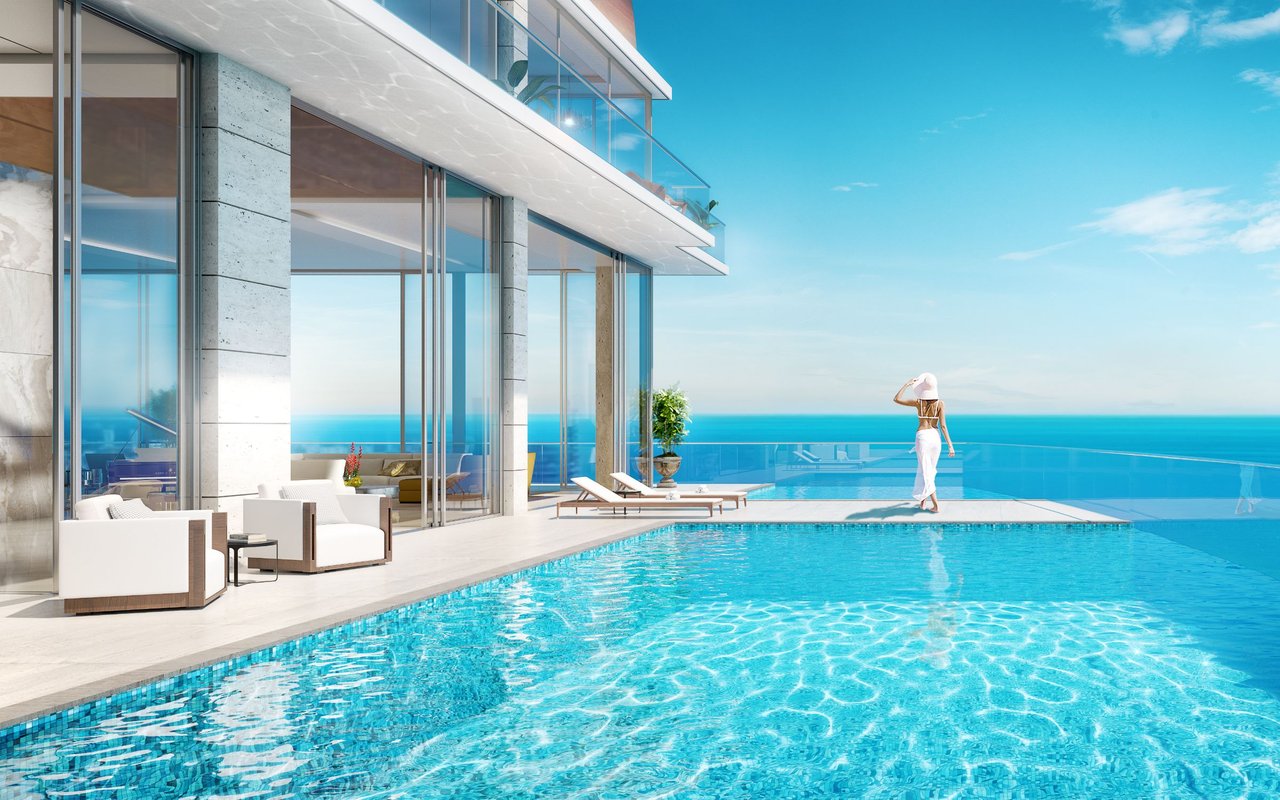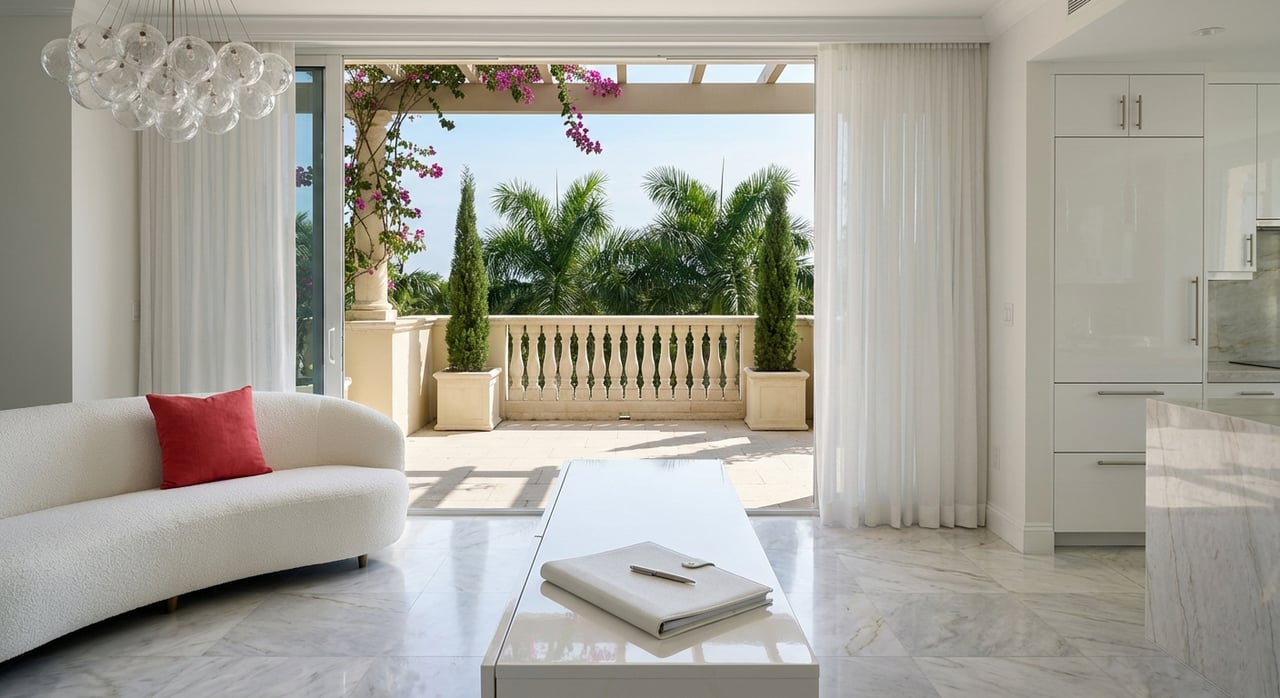
Trying to decide between a seasonal or annual lease at Acqualina? With multiple residence collections, specific association rules, and Florida’s six-month tax threshold, the right choice is not always obvious. This guide breaks down how each lease type works, what changes by building, how taxes and licensing affect your bottom line, and a simple checklist to move forward with confidence. Let’s dive in.
Seasonal vs annual leases: clear definitions
Seasonal leases in Sunny Isles
A seasonal lease usually covers a multi-week to multi-month stay during South Florida’s high season, often between November and April. In luxury oceanfront buildings, seasonal terms commonly range from 90 days to 16 weeks, and in some cases up to six months. These residences are typically furnished and presented turnkey to match resort expectations.
Annual leases at Acqualina
An annual lease is a 12-month commitment that may be offered furnished or unfurnished. It functions like a standard long-term tenancy and typically simplifies taxes and registration compared with short-term stays. Many owners choose annual terms for predictable occupancy and lower operational complexity.
What changes by building at Acqualina
Acqualina is a collection of distinct residential towers and sub-associations. Each may set minimum lease lengths and leasing frequency rules. Because policies vary, always confirm the exact minimums and any per-year limits with building management before you sign or market a lease.
Ocean Residences: seasonal living is recognized
The official residences page signals that some buyers choose to enjoy Acqualina “as little as 16 weeks a year,” which aligns with the seasonal model many tenants seek. That does not, by itself, define the minimum lease term for every sub-association. Treat it as a lifestyle cue, then confirm your building’s leasing rules directly with the association or the on-site team. You can review the developer’s residences overview on the official site.
The Mansions and The Estates: longer minimums are common
Public building summaries often note stricter minimums in these luxury collections, such as no leases shorter than six months, or limits on the number of times an owner can lease per year. Some residences advertise 90-day minimums. These are building-level rules, not one-size-fits-all policies. Before listing or applying, request the association’s latest rental policy and approval package and confirm your plan with the building’s management.
The six-month tax threshold in Florida
Florida treats rental taxability differently depending on lease length. Leases for six months or less are generally treated as transient for sales and transient rental tax purposes, while bona fide continuous leases longer than six months are generally exempt from that transient treatment. This threshold often drives owners to consider six-month-plus leases when taxes are a major factor. Review the statute and confirm timing details with your advisor by starting with Florida’s Chapter 212 overview.
Short-term licensing and local taxes you should know
City of Sunny Isles Beach: short-term registration and compliance
If your lease qualifies as short-term or transient, the City of Sunny Isles Beach requires specific licensing and safety steps. Expect an application process and compliance checks. Condominium approval and building consent are often required parts of the file. Start with the city’s Code Compliance resources and short-term rental guidance on the official SIB site.
Miami-Dade County: transient tax collection
Short-term stays in Miami-Dade County are typically subject to county transient taxes in addition to the state’s sales tax. Combined, this can materially increase the cost of a seasonal stay versus a long-term lease. As simple sample math, you might see something like 6 percent state sales tax plus 6 percent in Miami-Dade transient taxes, with possible surtaxes depending on specifics. Platforms may collect some taxes, but you remain responsible for proper registration and filing. Review county guidance on Miami-Dade’s tax FAQ page and confirm current rates before you price.
What seasonal leases usually include
Seasonal residences at Acqualina-level properties are designed to feel turnkey. You can expect:
- Designer furnishings and fully equipped kitchens and linens.
- Resort services such as valet, concierge, beach service, and in-residence dining, with some services included and others billed as used.
- Clear terms on utilities and fees. Many seasonal leases bundle Wi-Fi, cable, and utilities, while annual leases more often place utilities on the tenant. Spell out inclusions in writing.
- Association approvals and fees. Most buildings require a tenant application, background screening, and approval prior to move-in, along with a move-in scheduling process.
Pros and cons: owners and tenants
For owners
- Seasonal pros: higher monthly rates in peak months and flexibility to reserve personal use weeks. Seasonal demand is strong in winter.
- Seasonal cons: higher operating costs, more frequent turnover, and additional compliance for taxes and licensing. Wear and tear can also increase.
- Annual pros: stable cash flow, lower turnover costs, and in many cases simpler insurance and tax treatment due to the six-month-plus threshold.
- Annual cons: lower peak-month pricing compared to seasonal, and less personal-use flexibility.
For tenants
- Seasonal: turnkey luxury with resort services for a defined window, ideal for snowbird months or temporary assignments. Monthly pricing is higher but often bundles conveniences.
- Annual: lower effective monthly pricing and a stable home base, but with a year-long commitment and responsibility for some utilities and routine upkeep.
Association authority and approvals
Condominium associations in Florida can set minimum terms, limit how often you lease, and require transfer or application fees. Rules live in recorded documents or amendments, and association approval is often required before occupancy. Before you commit, request the current rental policy and lease application. For an overview of common condo association powers, use the state’s Division of Condominiums FAQ resource.
Insurance and liability quick note
If you plan to operate short-term or seasonal rentals, standard condo or homeowner policies may not provide the right coverage. Ask an insurance professional about landlord or short-term rental specific coverage and consider umbrella liability, especially in oceanfront settings. Learn about common coverage gaps with this primer on insurance for short-term hosts.
A simple owner checklist
Use this step-by-step list before you choose seasonal or annual:
- Confirm building rules. Get your sub-association’s written leasing policy and application requirements, including any minimum terms and frequency caps.
- Run the six-month test. Map your intended start and end dates and review Florida’s rules with a CPA to understand tax implications and filing needs.
- Check city and county obligations. If short-term, confirm Sunny Isles licensing steps and Miami-Dade transient tax registration and remittance.
- Verify insurance. Ask your agent to align your policy with your rental model and liability profile.
- Model the numbers. Estimate net income after vacancy, cleanings, housekeeping, platform or marketing fees, association fees, and taxes.
- Decide on furnishings and services. For seasonal, list inclusions like Wi-Fi, utilities, parking, cleaning cadence, and any resort services billed to the tenant.
- Prepare the file. Assemble your lease, association application, move-in rules, and building contact details to ensure a smooth approval.
How we help at Acqualina
When rules and timelines vary by tower, access and local expertise make all the difference. Adriana Vargas and the on-site team bring two decades of tower-specific experience, direct relationships with building management, and curated, turnkey marketing to position your residence for the right tenant at the right term.
Whether you want peak-season occupancy, a six-month-plus structure, or a fully annual placement, you get precise guidance on association approvals, tax-aware timing, and lifestyle inclusions that protect your asset and elevate your tenant experience. Ready to compare options unit by unit and timeline by timeline?
Request a private viewing or owner consultation with Acqualina Rentals.
FAQs
Can you do 30-day vacation rentals at Acqualina?
- Possibly, depending on the specific sub-association and city rules, but many towers require longer minimums; confirm with your building and review the developer’s residences overview before you proceed.
What is Florida’s six-month rule for rental taxes?
- Leases of six months or less are generally treated as transient and subject to sales/transient taxes, while bona fide continuous leases longer than six months are treated differently; review Chapter 212 and confirm with your CPA.
Do I need a short-term rental license in Sunny Isles Beach?
- If your lease qualifies as short-term or transient, you must follow the city’s registration and safety steps; start with Code Compliance guidance on the official SIB site.
Which taxes apply to seasonal rentals in Miami-Dade?
- Short-term stays typically owe state sales tax plus Miami-Dade transient taxes; see the county’s filing guidance on the Miami-Dade tax FAQ page and verify current rates before you price.
What do seasonal leases at luxury buildings usually include?
- Most are designer-furnished and turnkey, with resort services like valet, concierge, and beach service available; utilities and services vary by lease, so confirm inclusions in writing.
When is peak rental season in Sunny Isles Beach?
- Winter months drive demand, typically November through April, which is why many seasonal leases are structured as multi-month winter stays; building-level minimums still control the final term.